
Sapphire: September Birthstone
Elegant by nature and durable for daily wear, sapphire is the birthstone for September. Far beyond classic blue, it exists in almost every color and carries a millennia-old history linked to truth, fidelity, and nobility.
Origin of the name and history
The name comes from the Latin sapphirus (from the Greek sappheiros), historically associated with blue gems. Sapphire is the non-red variety of the mineral corundum (aluminum oxide, Al₂O₃); when red, it is called ruby.
In Greco-Roman antiquity, sapphire was believed to protect against evil and envy; in the Middle Ages, it symbolized heaven, truth, and faith. These associations support its use in devotional jewelry, crowns, and engagement rings to this day.
Where it is found
Classic and modern sources include Sri Lanka (Ceylon), Myanmar (Burma), Madagascar, Vietnam, and the United States (Montana). The origin can influence color, cutting style, and value (e.g., historical Kashmir).
Colors and varieties
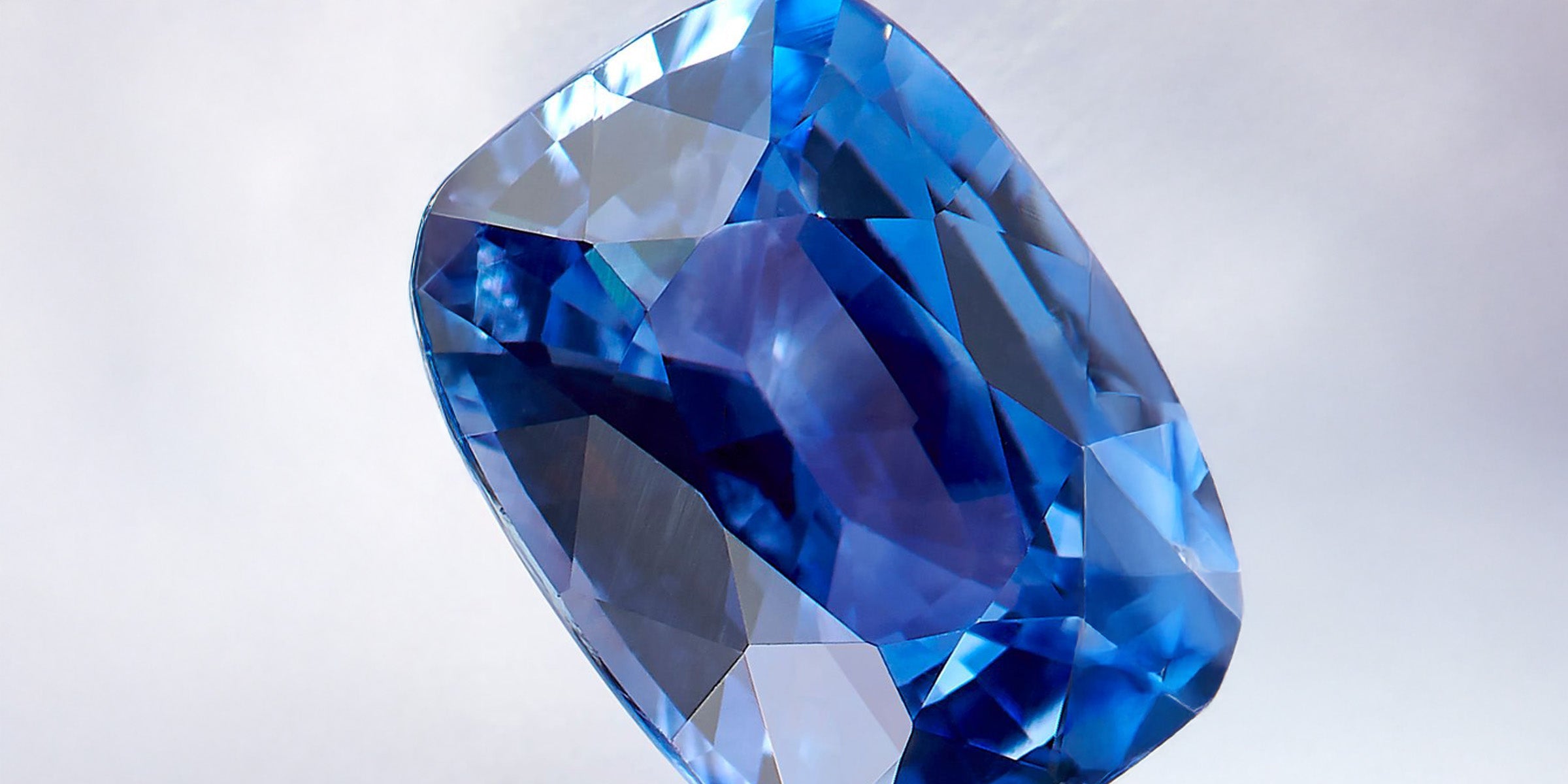
Although royal blue is the most famous (usually due to the presence of iron and titanium), sapphire can be yellow, pink, orange, violet, green, and colorless; red is ruby. There are also notable phenomena such as star sapphire (asterism from rutile “silk”) and color-change sapphire. The rare padparadscha holds a special place, with a “lotus flower” hue (pinkish-orange), a historically debated topic in gemology.
Meanings and symbolisms
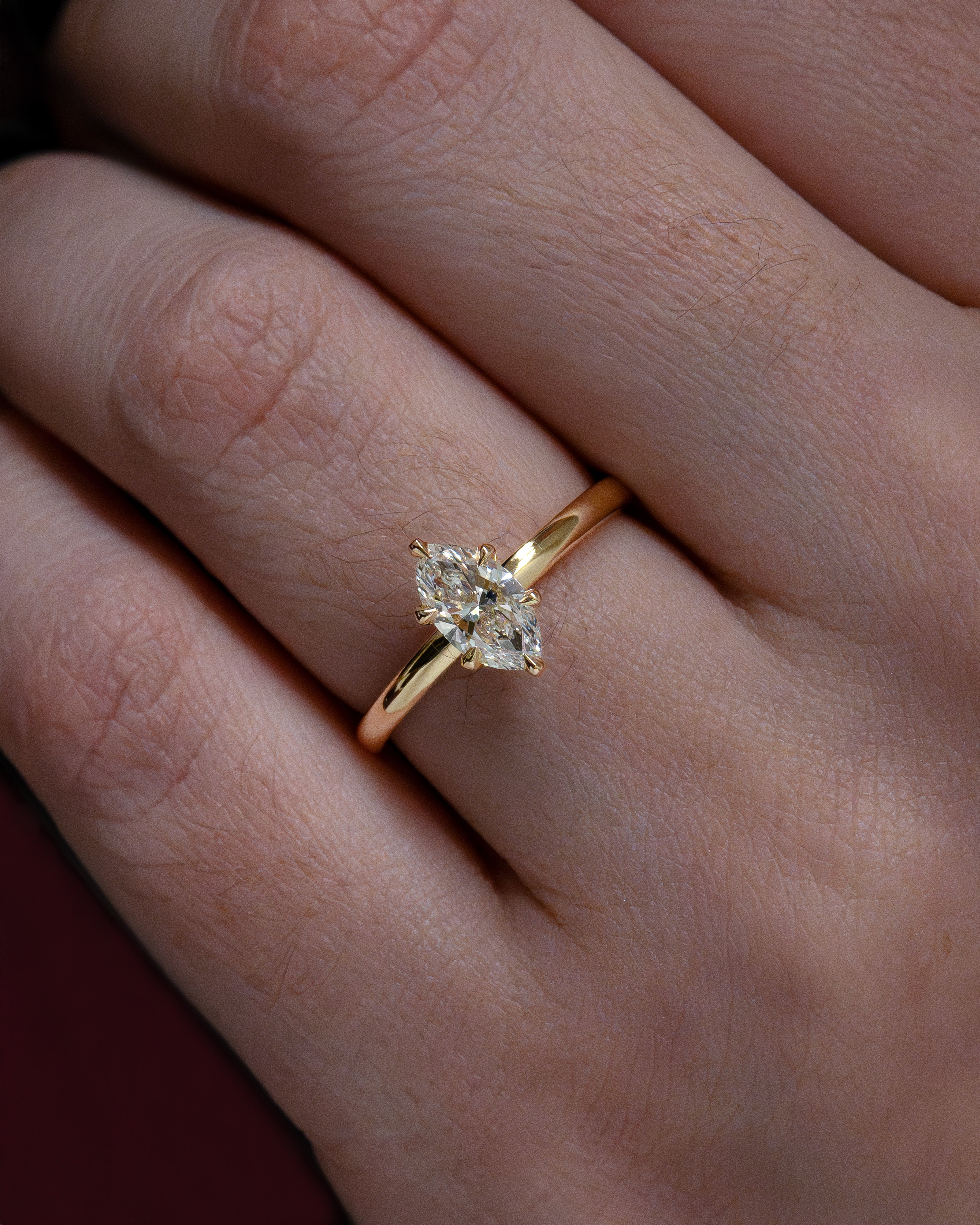
Traditionally associated with sincerity, truth, fidelity, and nobility, sapphire conveys trust — which is why it frequently appears in engagement jewelry and ceremonial pieces.
Durability and care
With a hardness of 9 on the Mohs scale, sapphire is excellent for daily wear. For cleaning, warm water, mild soap, and a soft brush are always safe. Ultrasound and steam are usually suitable for untreated, heated, or diffusion-treated gems without fractures, but not for material with filled fractures, filled cavities, or dyeing; in these cases, stick to a damp cloth/water and soap.