

Peridot, spinel, and sardonyx: August birthstones
August is a month illuminated by three very distinct stones: peridot, spinel, and sardonyx. Each brings a color, a symbolism, and a way of looking at life. United, they tell stories of vitality, courage, and balance.
Peridot: the green glow of summer
Origin of the name and history
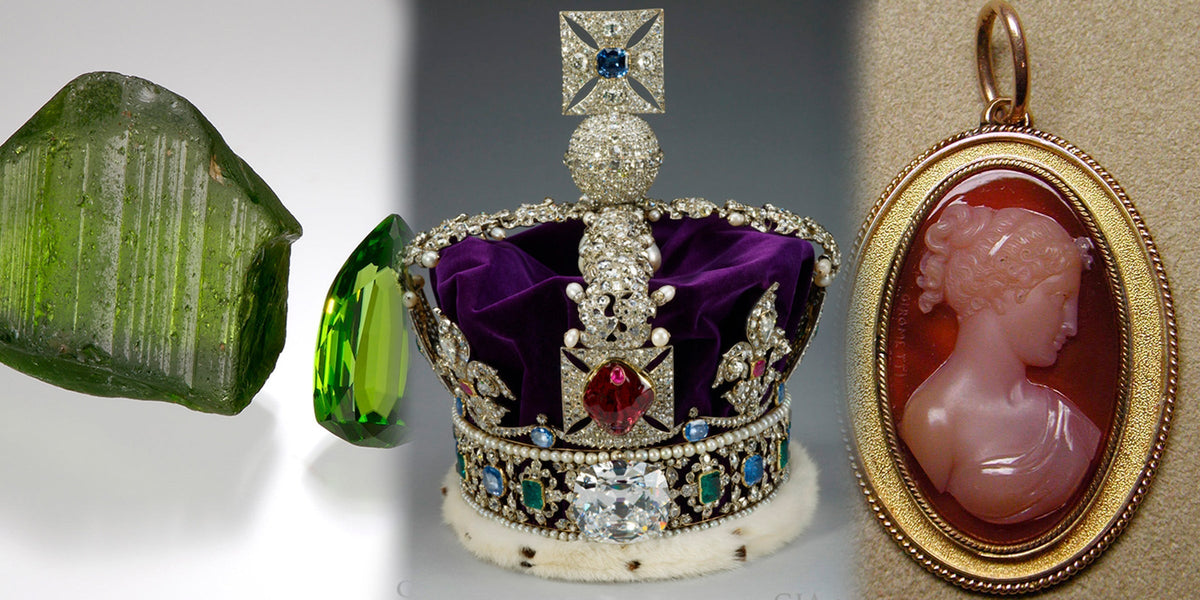
The name peridot comes from the Arabic faridat, “precious gem.” As early as antiquity, it was extracted on the island of Zabargad, in Egypt, and described as a gift from the gods. Cleopatra, according to some records, wore peridots believing them to be emeralds. For the Egyptians, the luminous green represented fertility and rebirth.
Where it is found
Today, peridot is mainly extracted in Pakistan, Myanmar, China, and the United States (Arizona). The best specimens display an intense, clear green, reminiscent of fields illuminated by the summer sun.
Meaning of peridot
Linked to renewal and prosperity, peridot is considered a stone that brings calm and self-confidence. It is also associated with protection against negative energies and emotional balance.
Care for peridot
With a hardness of 6.5 to 7 on the Mohs scale, it needs to be treated with care: avoid shocks, extreme temperatures, and strong chemicals. Cleaning should only be done with water, mild soap, and a soft cloth.
Spinel: the chameleon color
Origin of the name and history
Spinel has confused kings and collectors for centuries, being considered ruby or sapphire. The famous "Black Prince's Ruby," in the British crown, is actually a spinel. The name derives from the Latin spina ("thorn"), a reference to the shape of its crystals.
Where it is found
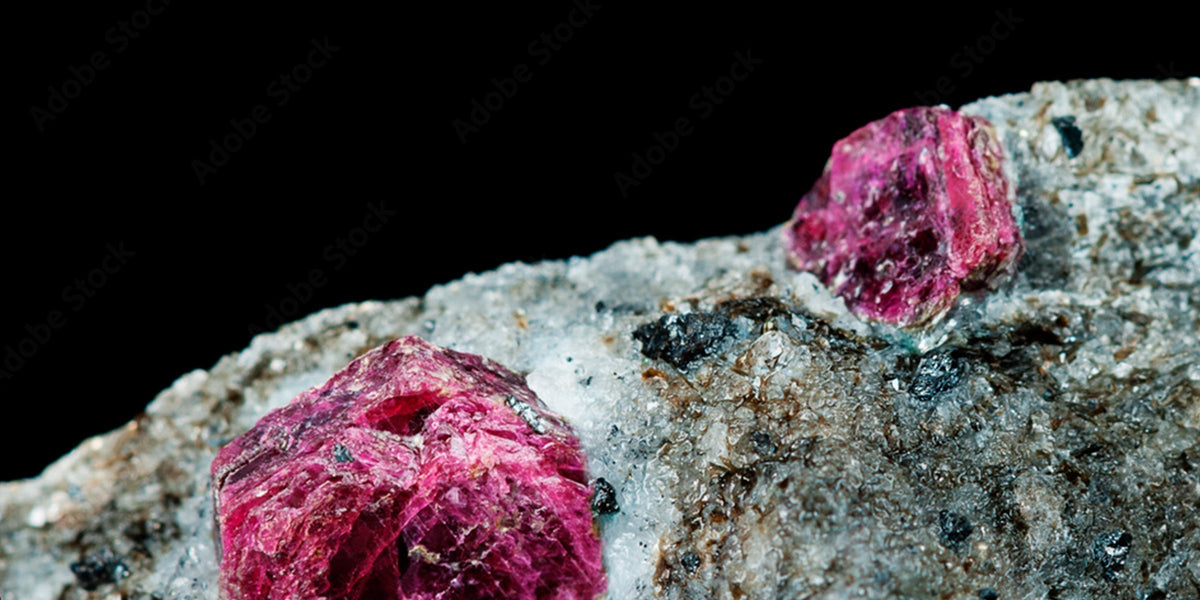
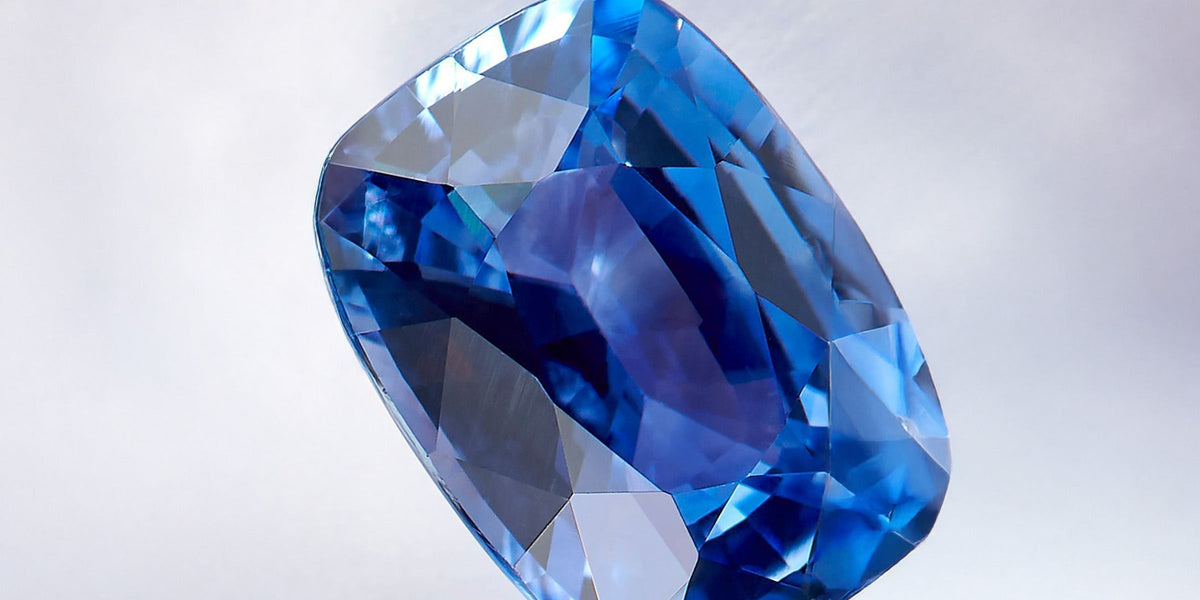
The main deposits are in Myanmar, Sri Lanka, Vietnam, Tanzania, and Madagascar. Its color palette ranges from vivid red to deep blue, passing through purple and orange tones.
Meaning of spinel
It is the stone of energy and resilience, associated with creativity and enthusiasm. Seen as a crystal of invigoration, it helps overcome emotional wear and renew the joy of living.
Care for spinel
With a hardness of 8, it is quite resistant. Even so, it should be stored separately to avoid scratching other gems and cleaned only with warm water, mild soap, and a soft cloth.
Sardonyx: layers of history
Origin of the name and history
Sardonyx combines layers of sard (reddish) and onyx (white or black). In ancient Rome, it was used in cameos and carvings, especially in warrior rings, as an amulet for protection and a symbol of courage.
Where it is found
It is mainly found in India, Brazil, Germany, and the United States. The most beautiful specimens have well-defined layers that create unique natural patterns.
Meaning of sardonyx
Linked to strength and stability, sardonyx represents discipline and clarity. In ancient times, it was used as a talisman to bring courage in battles and focus in important decisions.
Care for sardonyx
With a hardness of 6.5 to 7, it can chip with strong impacts. It is advisable to store it in a separate case and clean it only with water and mild soap.
August's stones reflect different facets of life: the solar freshness of peridot, the transformative intensity of spinel, and the protective solidity of sardonyx. Three distinct gems that, united by the same month, celebrate vitality, courage, and constancy—qualities that have endured for centuries and continue to inspire those who choose them today.