



Ruby: July's Birthstone
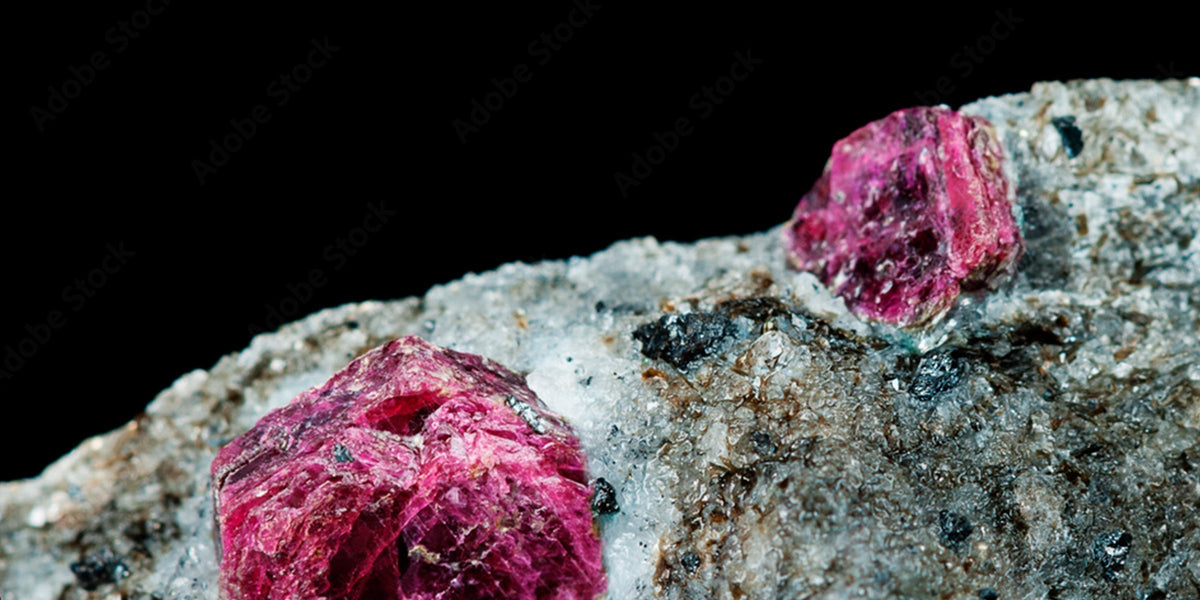
Few stones carry as much intensity as the ruby. Its deep red color has been associated with the heart, fire, and passion throughout history. It's no wonder that July has it as its birthstone: a month of warmth, energy, and pulsating life.
Origin of the name and history
The name ruby comes from the Latin rubeus, meaning "red." Since ancient times, it has been considered one of the most precious stones, rivaling the diamond in value and desirability.
In India, it was called ratnaraj, "king of gems," and was used by maharajas as a symbol of power and spiritual protection. In medieval Europe, the ruby was believed to bring courage in battles and ensure prosperity. Its vibrant color also made it an emblem of ardent love and lasting passion.
Where it is found
The most traditional ruby deposits are in Myanmar (formerly Burma), especially in the Mogok region, known for producing intense red gems dubbed "pigeon's blood." Other important mining locations include:
Thailand and Cambodia – darker-toned rubies.
Sri Lanka – light red to pinkish stones.
Mozambique and Tanzania – now major producers, with high-quality rubies.
The rarity of vivid color and good transparency in rubies makes them some of the most valuable gems on the market.
Meanings and symbolisms
The ruby is often called the stone of life and passion. Its red color refers to blood, the heart, and vitality. Among its most attributed symbolisms are:
Courage and protection – in many cultures, it was believed to ward off dangers.
Intense love – it is seen as a symbol of ardent romance and true commitment.
Inner strength – used as an amulet to increase energy, focus, and enthusiasm.
Therefore, it is still a traditional choice for engagement jewelry and the celebration of special moments today.
Care and conservation
x of interest-free
0x of false interest-free
0x of R$ 0,00 BRL interest-free